does not eating enough cause dizziness Eat anything without gaining weight
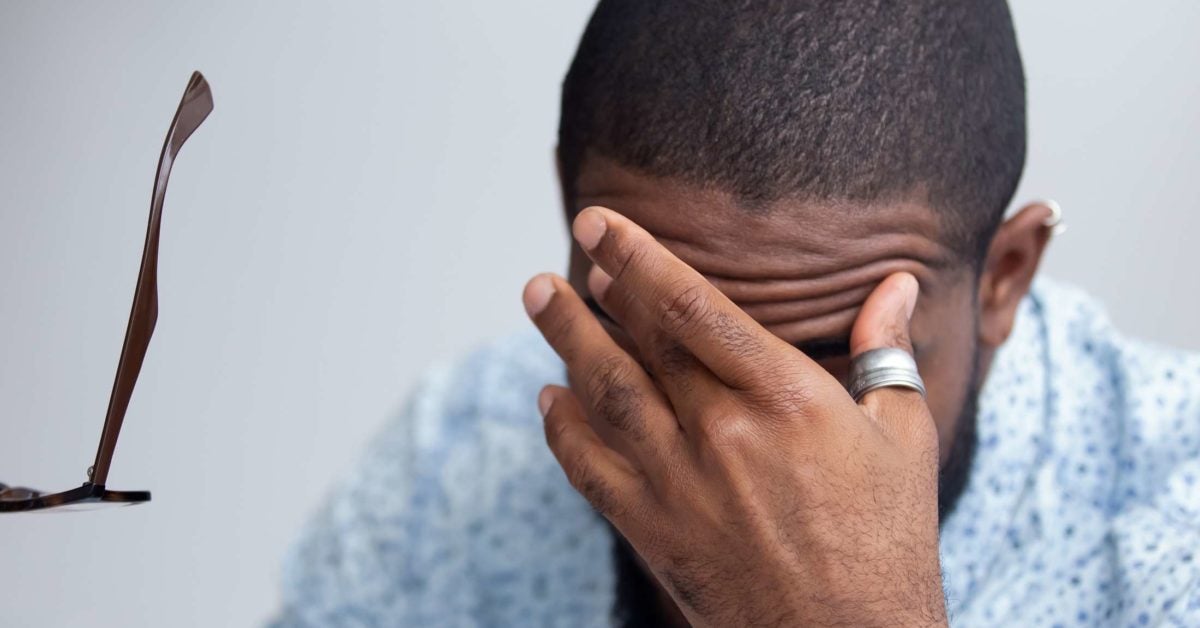
Dizziness after eating is a common problem that many people experience at some point in their lives. It can be quite unsettling and leave you feeling unsteady and off-balance. But what exactly causes dizziness after eating? Let’s delve into some potential causes and shed light on this issue.
Eating Too Fast
We live in a fast-paced world where everything seems to be in a rush. This includes our mealtimes as well. When you eat too quickly, you don’t give your body enough time to properly digest the food. This can lead to an overload of sensory input, including signals to your brain that may cause dizziness.
 To avoid this, make an effort to eat slowly and mindfully. Take smaller bites, chew your food thoroughly, and savor each mouthful. This will not only help prevent dizziness but also improve your digestion and overall eating experience.
Low Blood Sugar
Another potential cause of dizziness after eating is low blood sugar levels, also known as hypoglycemia. When you consume a meal, your body responds by releasing insulin to help regulate your blood sugar. However, if you have an underlying condition, such as diabetes, or if you haven’t eaten for an extended period, your blood sugar levels may drop too low, leading to dizziness.
 It’s important to ensure you’re consuming balanced meals that incorporate carbohydrates, proteins, and healthy fats to help stabilize your blood sugar levels. If you suspect you might have low blood sugar, it’s advisable to consult with a healthcare professional for further evaluation and guidance.
Food Sensitivities or Allergies
Dizziness after eating can also be a result of food sensitivities or allergies. Certain foods may trigger an immune response in the body, leading to a release of chemicals that can cause various symptoms, including dizziness.
If you suspect that certain foods are causing your dizziness, try keeping a food diary and jotting down the foods you consume before experiencing the symptoms. This can help pinpoint any potential triggers, and you can then eliminate or reduce their consumption from your diet.
In conclusion, there can be several potential causes of dizziness after eating. It’s essential to pay attention to your body and the signals it sends. If you frequently experience dizziness after meals and it impairs your daily activities, it’s always a good idea to consult with a healthcare professional for a proper diagnosis and personalized advice.
Remember, maintaining a healthy lifestyle, including a well-balanced diet and regular exercise, can go a long way in promoting overall well-being. So take care of yourself and listen to your body!
If you are looking for Eat Anything Without Gaining Weight - YouTube you’ve came to the right web. We have 5 Pics about Eat Anything Without Gaining Weight - YouTube like Eat Anything Without Gaining Weight - YouTube, Does Not Eating Enough Cause Acne? Get The Details - GoodGlow and also Does Not Eating Enough Cause Acne? Get The Details - GoodGlow. Read more:
Eat Anything Without Gaining Weight - YouTube
 www.youtube.comgaining
Dizziness After Eating: 5 Potential Causes
www.medicalnewstoday.comatualizadas respostas dizziness
How Diet Can Affect Your Hair: Malnutrition And Hair Loss | Justinboey
 justinboey.comDoes Not Eating Enough Cause Acne? Get The Details - GoodGlow
goodglow.coNot Eating: Signs, Symptoms, And Complications
:max_bytes(150000):strip_icc()/not-eating-signs-symptoms-5201896_final-c41f6a10844343059195cfb13e561098.jpg) www.verywellhealth.comDoes not eating enough cause acne? get the details. How diet can affect your hair: malnutrition and hair loss. Dizziness after eating: 5 potential causes
www.verywellhealth.comDoes not eating enough cause acne? get the details. How diet can affect your hair: malnutrition and hair loss. Dizziness after eating: 5 potential causes